by Pier Paolo Maccarrone.
Lo studio della musica nei primi anni di vita non è solo un’esperienza artistica piacevole: numerose ricerche scientifiche internazionali mostrano che la musica influenza lo sviluppo del cervello, delle competenze cognitive, linguistiche, socio-emotive e persino motorie nei bambini. In altre parole, la musica può aiutare ad apprendere e a crescere in modi profondi e misurabili.
Music education in early childhood is far more than a pleasant artistic experience. A growing body of international scientific research demonstrates that musical engagement has a profound impact on brain development, cognitive abilities, language acquisition, emotional regulation, and social skills in children. In other words, music actively supports learning and development in measurable and long-lasting ways.
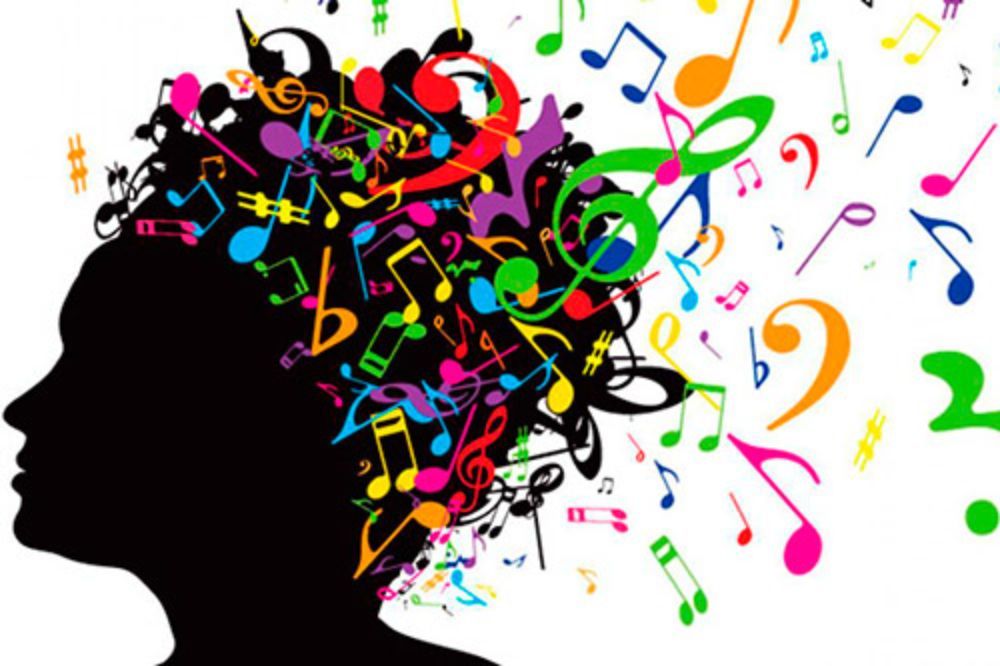
1. La musica potenzia lo sviluppo del cervello nei bambini
Un articolo recente pubblicato sul International Journal of Scientific Research and Management sintetizza risultati neuroscientifici che mostrano come l’educazione musicale attivi simultaneamente aree neurali legate all’udito, alla coordinazione motoria, all’attenzione e alle funzioni esecutive (come memoria di lavoro e controllo degli impulsi) nelle fasi sensibili della plasticità cerebrale. Queste aree sono cruciali per l’apprendimento scolastico e per l’adattamento sociale. Neuroscientific Foundations of Early Music Education (2025).
Music and Brain Development in Early Childhood
Neuroscientific research shows that musical activities stimulate multiple brain areas simultaneously, including auditory, motor, emotional, and executive control regions—particularly during sensitive periods of high neural plasticity. A recent article published in the International Journal of Scientific Research and Management highlights how early music education enhances neural connectivity related to attention, memory, and self-regulation, all of which are crucial for academic learning and social adaptation.
https://ijsrm.net/index.php/ijsrm/article/view/6697
2. Miglioramenti cognitivi e linguistici
Una meta-analisi pubblicata su Scientific Reports (Nature) ha trovato effetti positivi degli interventi musicali sullo sviluppo cognitivo, linguistico e motorio nei bambini, con benefici evidenti in scale standardizzate di sviluppo. L’impegno musicale pare facilitare processi neurobiologici che rafforzano attenzione, memoria e apprendimento. Music intervention for neurodevelopment (Nature.com)
Altri studi mostrano che attività musicali interattive — come il canto e il suonare strumenti fin da piccoli — sono associate a progressi nelle abilità linguistiche, come vocabolario, riconoscimento di lettere e capacità di processare i suoni della lingua. Early Music Education and Language Development.
Una review ha altresì evidenziato che ritmo e melodia sono correlati con aspetti fondamentali dell’acquisizione linguistica, come grammatica e fonologia.
2. Cognitive and Language Benefits. A recent meta-analysis published in Scientific Reports (Nature) found that music-based interventions in early childhood are associated with significant improvements in cognitive, linguistic, and motor development, as measured by standardized assessment scales. These findings suggest that musical engagement supports underlying neurobiological mechanisms involved in learning and executive functioning.
https://www.nature.com/articles/s41598-025-93795-8
Other studies indicate that early musical experiences—such as singing, rhythmic movement, and instrumental play—are positively correlated with vocabulary growth, phonological awareness, and early literacy skills.
https://www.rcmusic.com/about-us/news/new-research-demonstrates-link-between-music-educa
A comprehensive review published in Children (MDPI) further highlights the strong relationship between rhythm perception, melodic processing, and core aspects of language acquisition, including grammar and phonological development.
https://www.mdpi.com/2227-9067/10/5/801
3. Benefici socio-emotivi e relazionali
La musica non influisce solo sulle capacità cognitive, ma anche sullo sviluppo emotivo e sociale. Una systematic review ha mostrato che l’uso educativo della musica nei bambini dai 3 ai 12 anni promuove l’intelligenza emotiva, l’espressione e la regolazione emotiva, la creatività, la cooperazione e le competenze prosociali come empatia e simpatia. Music’s Emotional and Social Benefits (PMC‑NIH)
Un altro studio ha evidenziato come attività musicali di gruppo migliorino abilità sociali e atteggiamenti cooperativi, anche in situazioni di inclusione.
3. Emotional and Social Development
Beyond cognitive gains, music education plays a key role in children’s emotional and social development. A systematic review available through PubMed Central shows that structured musical activities enhance emotional awareness, emotional regulation, creativity, empathy, and cooperative behavior in children aged 3 to 12.
https://pmc.ncbi.nlm.nih.gov/articles/PMC8037606/
Group music-making experiences—such as choir singing or ensemble activities—have also been shown to foster prosocial behaviors, social bonding, and inclusive attitudes, making music a powerful tool for social learning and well-being.
https://www.mdpi.com/1660-4601/18/7/3668
4. La musica come strumento di educazione integrata
Le evidenze convergono sul fatto che la musica non debba essere considerata solo un arricchimento estetico o culturale, ma una vera e propria risorsa educativa integrata. Gli studi dimostrano infatti che la musica:
-Stimola funzioni esecutive (attenzione, memoria di lavoro).
-Favorisce l’acquisizione del linguaggio e abilità fonologiche nei bambini.
-Promuove benessere emotivo, regolazione delle emozioni e relazioni sociali.
Questi effetti suggeriscono che programmi di educazione musicale ben strutturati possano potenziare l’apprendimento in molti ambiti, dalle lingue alla matematica, e favorire lo sviluppo di competenze trasversali fondamentali.
4. Music as an Integrated Educational Tool
The convergence of scientific evidence suggests that music should not be viewed merely as an extracurricular or aesthetic subject, but as a powerful integrated educational resource. Research indicates that music education:
strengthens executive functions such as attention control and working memory;
supports language development and phonological processing;
enhances emotional well-being and social competence.
These benefits make music a valuable component of holistic education and interdisciplinary learning, with potential positive effects across subjects such as languages, mathematics, and social learning.
https://ijsrm.net/index.php/ijsrm/article/view/6697
5. Perché iniziare presto fa la differenza
La prima infanzia è un periodo di plasticità neurale elevata, in cui il cervello è particolarmente ricettivo agli stimoli multisensoriali. La musica, che combina ritmo, suono, movimento e interazione sociale, sfrutta appieno questa finestra di opportunità.
Studi su attività musicali in età prescolare indicano che la partecipazione a programmi come Music Together può migliorare la qualità dell’ambiente linguistico dei più piccoli, aumentando la quantità e la qualità delle interazioni verbali con i genitori, un fattore chiave nello sviluppo linguistico.
5. Why Starting Early Matters
Early childhood represents a critical period of heightened neural plasticity, during which the brain is especially responsive to multisensory experiences. Music uniquely integrates sound, movement, emotion, and social interaction, making it an ideal stimulus during this developmental window.
Studies on parent–child music programs, such as Music Together, show that shared musical activities can improve the quality and quantity of verbal interactions between adults and children—an essential factor in early language development.
https://pmc.ncbi.nlm.nih.gov/articles/PMC11908655/
Conclusione
La ricerca scientifica moderna conferma che lo studio della musica in età precoce non è solo un’attività piacevole: è un potente strumento di sviluppo cognitivo, linguistico, emotivo e sociale. Integrare la musica nei primi anni di vita, nella scuola e nelle attività quotidiane dei bambini, può sostenere non solo la crescita artistica, ma anche il benessere e l’apprendimento in senso ampio.
Conclusion
Contemporary scientific research clearly supports the validity and importance of early childhood music education. Far from being a purely artistic enrichment, music functions as a powerful catalyst for cognitive, linguistic, emotional, and social development. Integrating music into early educational pathways does not merely cultivate musical skills; it nurtures the full developmental potential of children and contributes to their long-term learning and well-being.
Recommended resources for further reading
Neuroscientific Foundations of Early Music Education (IJSRM, 2025) — PDF disponibile online.
Music intervention for neurodevelopment (Scientific Reports) — meta-analisi recente.
Nature
Review su music and language link — evidenzia il ruolo della musica nello sviluppo linguistico.
Bibliography
Habibi, A., Ilari, B., Crimi, K., Metke, M., Kaplan, J. T., Joshi, A. A., Leahy, R. M., Shattuck, D. W., Choi, S. Y., Haldar, J. P., Ficek, B., & Damasio, A. (2018). Childhood music training induces change in micro and macroscopic brain structure: Results from a longitudinal study. Cerebral Cortex, 28(12), 4336–4347.
https://doi.org/10.1093/cercor/bhx286
Mehr, S. A., Schachner, A., Katz, R. C., & Spelke, E. S. (2013). Origins of music in infancy: Musical preferences and emotions in the first year of life. Cognition, 127(3), 354–364.
https://doi.org/10.1016/j.cognition.2013.02.011
Miendlarzewska, E. A., & Trost, W. J. (2014). How musical training affects cognitive development: Rhythm, reward and other modulating variables. Frontiers in Neuroscience, 8, Article 279.
https://doi.org/10.3389/fnins.2014.00279
Nave-Blodgett, J. E., Hannon, E. E., & Snyder, J. S. (2021). Music training and neuroplasticity in childhood. Developmental Cognitive Neuroscience, 49, 100940.
https://doi.org/10.1016/j.dcn.2021.100940
Putkinen, V., Tervaniemi, M., & Huotilainen, M. (2013). Informal musical activities are linked to auditory discrimination and attention in children. European Journal of Neuroscience, 37(4), 654–661.
https://doi.org/10.1111/ejn.12049
Schellenberg, E. G. (2004). Music lessons enhance IQ. Psychological Science, 15(8), 511–514.
https://doi.org/10.1111/j.0956-7976.2004.00711.x
Schellenberg, E. G. (2011). Examining the association between music lessons and intelligence. British Journal of Psychology, 102(3), 283–302.
https://doi.org/10.1111/j.2044-8295.2010.02000.x
Skoe, E., & Kraus, N. (2013). Musical training heightens auditory brainstem function during sensitive periods in development. Frontiers in Psychology, 4, Article 622.
https://doi.org/10.3389/fpsyg.2013.00622
Williams, K. E., Barrett, M. S., Welch, G. F., Abad, V., & Broughton, M. (2015). Associations between early shared music activities in the home and later child outcomes. Early Childhood Research Quarterly, 31, 113–124.
https://doi.org/10.1016/j.ecresq.2015.01.004
Zuk, J., Benjamin, C., Kenyon, A., & Gaab, N. (2014). Behavioral and neural correlates of executive functioning in musicians and non-musicians. PLoS ONE, 9(6), e99868.
https://doi.org/10.1371/journal.pone.0099868
 Pier Paolo Maccarrone