Genesi, struttura e curiosità
Le Sonate per violoncello e basso continuo di Antonio Vivaldi rappresentano uno dei contributi più significativi del compositore veneziano allo sviluppo del repertorio solistico per violoncello nel primo Settecento. Pur essendo meno celebri rispetto ai concerti, queste sonate testimoniano con chiarezza la centralità crescente dello strumento, emancipato progressivamente dal ruolo di semplice sostegno armonico.
Genesis, Structure, and Curiosities
Antonio Vivaldi’s Sonatas for Cello and Basso Continuo represent one of the Venetian composer’s most significant contributions to the development of the solo cello repertoire in the early eighteenth century. Although less famous than the concertos, these sonatas clearly demonstrate the growing centrality of the instrument, progressively emancipated from the role of simple harmonic support.

on Spotify Apple Music YouTube 🎵🎵
Genesi e contesto storico
Le sonate per violoncello di Vivaldi sono generalmente datate tra il 1720 e il 1730, un periodo di piena maturità artistica del compositore. Si tratta di opere destinate con ogni probabilità a violoncellisti di alto livello tecnico, forse attivi presso l’Ospedale della Pietà o appartenenti a circoli aristocratici veneziani e stranieri.
Il nucleo principale del repertorio è costituito da sei sonate, note come Sonate per violoncello e basso continuo, catalogate come RV 40–45. Esse ci sono pervenute attraverso manoscritti, non tramite edizioni a stampa coeve, fatto che suggerisce una circolazione limitata e selettiva. È possibile che fossero destinate a esecuzioni private o a musicisti specifici, forse anche stranieri, dato il forte interesse europeo per la musica italiana.
Genesis and Historical Context
Vivaldi’s cello sonatas are generally dated between 1720 and 1730, a period of the composer’s full artistic maturity. These works were most likely intended for cellists of high technical skill, perhaps active at the Ospedale della Pietà or belonging to aristocratic circles in Venice and abroad.
The core of the repertoire consists of six sonatas, known as the Sonatas for Cello and Basso Continuo, catalogued as RV 40–45. They have survived through manuscripts, not through contemporary printed editions, suggesting a limited and selective circulation. It is possible that they were intended for private performances or for specific musicians, perhaps even foreigners, given the strong European interest in Italian music.
Struttura formale
Le sonate seguono prevalentemente il modello della sonata da chiesa, articolata in quattro movimenti con alternanza di tempi lenti e veloci:
Lento – Allegro – Lento – Allegro
I movimenti lenti sono spesso di carattere cantabile ed espressivo, con ampie frasi melodiche che valorizzano il registro medio-grave del violoncello. I movimenti veloci, invece, presentano figurazioni brillanti, passaggi di agilità, sequenze e imitazioni, talvolta di gusto quasi violinistico.
Il basso continuo (realizzato da clavicembalo, organo o tiorba con violoncello o viola da gamba di rinforzo) svolge un ruolo discreto ma essenziale, sostenendo l’armonia e lasciando ampio spazio al dialogo espressivo dello strumento solista.
Formal Structure
The sonatas predominantly follow the model of the church sonata, divided into four movements with alternating slow and fast tempos:
Lento – Allegro – Lento – Allegro
The slow movements are often singable and expressive, with broad melodic phrases that showcase the cello’s medium-low register. The fast movements, on the other hand, feature brilliant figurations, agile passages, sequences, and imitations, sometimes almost violin-like in style.
The basso continuo (played by harpsichord, organ, or theorbo with cello or viola da gamba as reinforcement) plays a discreet but essential role, supporting the harmony and leaving ample space for the expressive dialogue of the solo instrument.
Linguaggio e scrittura violoncellistica
Dal punto di vista tecnico, le sonate mostrano una conoscenza approfondita delle possibilità espressive del violoncello:
uso frequente della posizione acuta, ancora non scontata all’epoca;
passaggi di corde doppie;
ampie escursioni melodiche;
alternanza tra scrittura lirica e virtuosistica.
Vivaldi tratta il violoncello come una vera voce solista, capace di cantare, declamare e brillare, anticipando soluzioni che troveranno pieno sviluppo nella scuola violoncellistica italiana ed europea della seconda metà del Settecento.
Cello Language and Writing
From a technical standpoint, the sonatas demonstrate a thorough understanding of the cello’s expressive possibilities:
frequent use of the high position, still unheard of at the time;
double-stop passages;
wide melodic excursions;
alternating between lyrical and virtuosic writing.
Vivaldi treats the cello as a true solo voice, capable of singing, declaiming, and shining, anticipating solutions that would find full development in the Italian and European cello school of the second half of the 18th century.
Curiosità e aspetti interpretativi
Alcune sonate (in particolare la RV 40 e la RV 41) presentano un carattere particolarmente introspettivo, con movimenti lenti di intensa espressività quasi “vocale”.
La Sonata RV 44 in si♭ maggiore è una delle più eseguite, grazie al suo equilibrio formale e alla chiarezza del discorso musicale.
Non esistono indicazioni precise sull’organico del basso continuo: questo lascia ampia libertà interpretativa agli esecutori moderni.
L’assenza di un’edizione a stampa settecentesca ha portato a diverse edizioni moderne con varianti testuali, soprattutto per quanto riguarda ornamentazioni e articolazioni.
Curiosity and Interpretative Aspects
Some sonatas (particularly RV 40 and RV 41) have a particularly introspective character, with slow movements of intense, almost “vocal” expressiveness.
The Sonata RV 44 in B♭ major is one of the most performed, thanks to its formal balance and clarity of musical discourse. There are no precise indications regarding the instrumentation of the basso continuo, leaving modern performers with great interpretative freedom.
The absence of an eighteenth-century printed edition has led to several modern editions with textual variations, especially regarding ornamentation and articulation.
Queste sonate hanno avuto un ruolo fondamentale nella riscoperta novecentesca del Vivaldi “strumentale non concertistico”.
Importanza nel repertorio violoncellistico
Le Sonate per violoncello e basso continuo di Vivaldi costituiscono oggi un caposaldo del repertorio barocco per violoncello, spesso affrontato nei percorsi di studio avanzati e nelle esecuzioni concertistiche su strumenti originali o moderni. Esse rappresentano un ponte ideale tra la funzione accompagnatoria del violoncello seicentesco e il ruolo solistico che lo strumento assumerà pienamente con Boccherini e Haydn.
These sonatas played a fundamental role in the twentieth-century rediscovery of Vivaldi’s “instrumental, non-concert” works.
Importance in the cello repertoire
Vivaldi’s sonatas for cello and basso continuo are today a cornerstone of the Baroque cello repertoire, often explored in advanced study programs and concert performances on period or modern instruments. They represent an ideal bridge between the cello’s seventeenth-century accompaniment and the solo role the instrument fully assumed with Boccherini and Haydn.
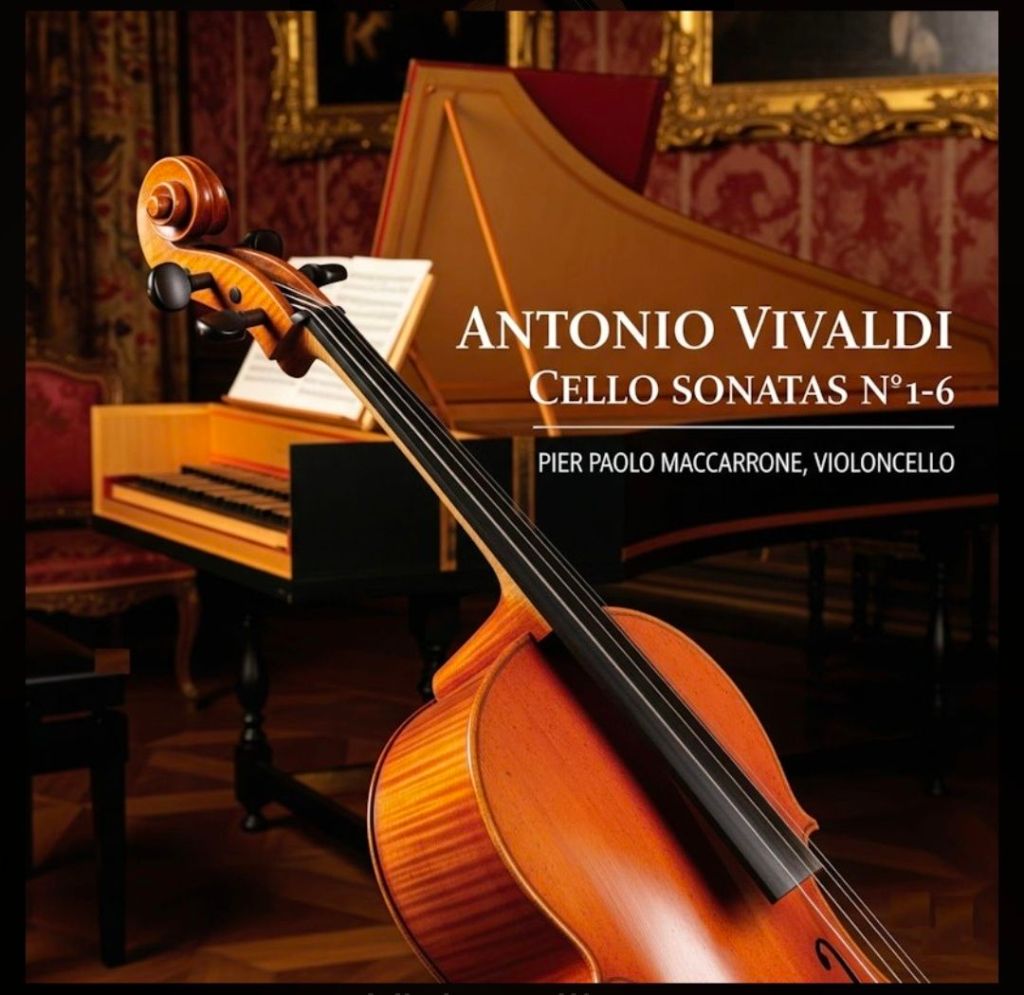
 Pier Paolo Maccarrone