Buongiorno cari lettori, per accompagnarvi in questo caldo Ferragosto con una lettura che vuoi spero possiate apprezzare, accompagnato dall’ascolto, ho preparato per voi una vera e propria guida all’ascolto della Cantata n. 147 di Johann Sebastian Bach — concentrandoci soprattutto sul ruolo del basso continuo e, in particolare, sulla linea del violoncello.
Good morning, dear readers, to accompany you on this warm August holiday with a reading that I hope you will enjoy, accompanied by listening, I have prepared for you a real listening guide to Johann Sebastian Bach’s Cantata No. 147—focusing especially on the role of the basso continuo and, in particular, the cello line.
- Contesto
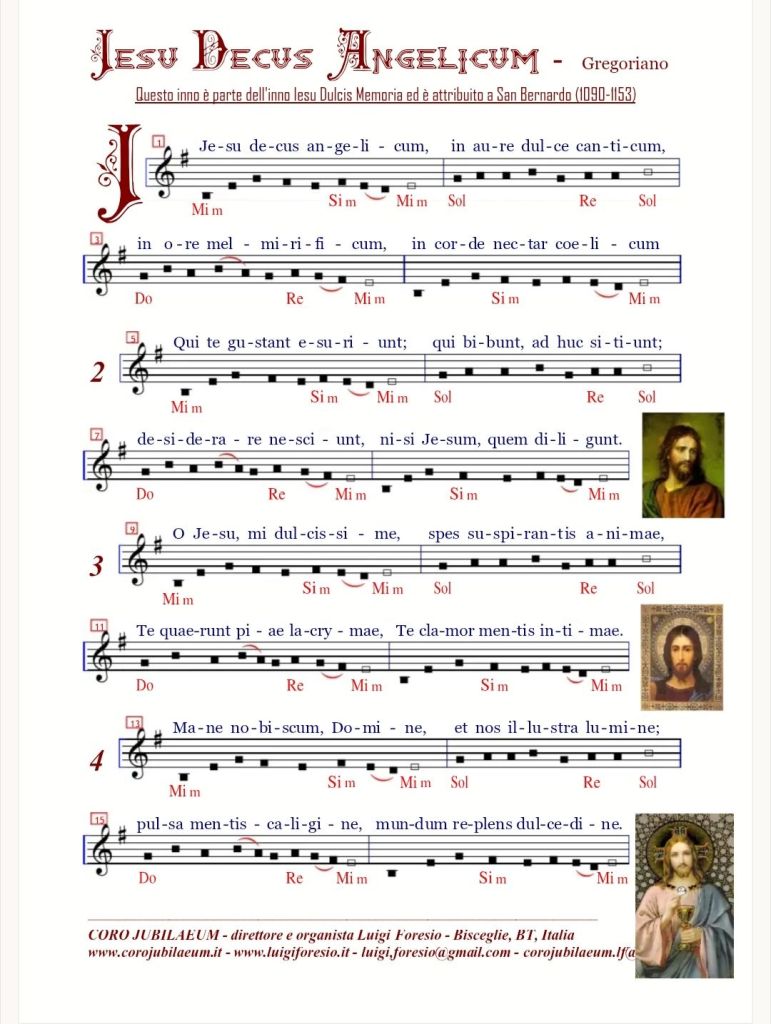
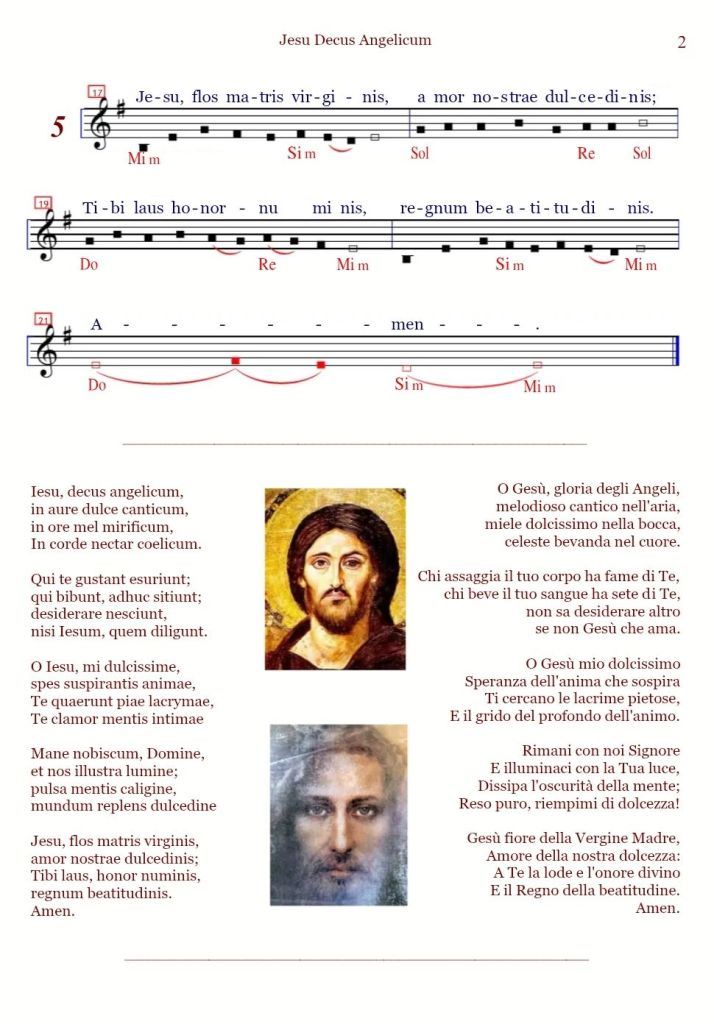
La Cantata BWV 147 (Herz und Mund und Tat und Leben) fu composta per la festa della Visitazione di Maria (2 luglio) e rielabora materiale di una cantata precedente scritta a Weimar. Il brano “Jesu, decus angelorum” è una delle arie centrali della seconda parte, scritta per voce solista (soprano o tenore a seconda della versione), con accompagnamento di archi, basso continuo e oboe. Il testo, dal latino, significa “Gesù, splendore degli angeli”, ed è una meditazione intima sull’amore e la dedizione a Cristo.
Cantata BWV 147 (Herz und Mund und Tat und Leben) was composed for the feast of the Visitation of Mary (July 2) and reworks material from an earlier cantata written in Weimar. The piece “Jesu, decus angelorum” is one of the central arias of the second part, written for solo voice (soprano or tenor depending on the version), with accompaniment of strings, basso continuo, and oboe. The text, from Latin, means “Jesus, splendor of the angels,” and is an intimate meditation on love and dedication to Christ.
- Struttura musicale
Forma: Aria da capo (A–B–A), tipica dello stile barocco. Tonalità prevalente: generalmente luminosa (mi maggiore o affine, a seconda della trasposizione). Tempo: Andante o moderato, con andamento cantabile e dolce. Strumentazione: Voce solista, archi, oboe obbligato, basso continuo (clavicembalo/organo e violoncello).
2. Musical structure form
Form: Da capo aria (A–B–A), typical of the Baroque style. Prevailing key: generally bright (E major or similar, depending on the transposition). Tempo: Andante or moderato, with a sweet, cantabile tempo. Instrumentation: Solo voice, strings, obbligato oboe, basso continuo (harpsichord/organ and cello).
- Il dialogo voce–violoncello
Qui avviene la magia:
La voce solista porta la linea melodica principale, ampia e ariosa, ricca di abbellimenti e di sospensioni che trasmettono dolcezza e devozione.
Il violoncello (insieme al cembalo, ma con autonomia melodica) non si limita a “sostenere” con le note di basso: crea un vero e proprio contrappunto cantabile.
Come ascoltarlo:
- All’inizio, isolare mentalmente il registro grave: sentirai il violoncello che disegna figure ondulanti e regolari, quasi un filo d’acqua che scorre sotto la melodia.
- Il basso non ripete passivamente gli stessi intervalli: spesso anticipa o risponde alla voce con movimenti contrari (mentre la voce sale, il basso scende, e viceversa).
- Nei punti di sospensione armonica, il violoncello crea note lunghe e tenute che stabilizzano la tensione, prima di tornare al moto fluido.
- Nei passaggi conclusivi di frase, ascolta come il violoncello “canta” in parallelo alla voce, ma con un fraseggio indipendente: questo è un tipico artificio bachiano per dare respiro e tridimensionalità alla musica. 3. The Voice-Cello Dialogue
Here’s where the magic happens:
The solo voice carries the main melodic line, broad and airy, rich with embellishments and suspensions that convey sweetness and devotion.
The cello (together with the harpsichord, but with melodic autonomy) doesn’t simply “support” with the bass notes: it creates a truly singable counterpoint.
How to listen:
1. At the beginning, mentally isolate the low register: you’ll hear the cello drawing undulating and regular figures, almost like a trickle of water flowing beneath the melody.
2. The bass doesn’t passively repeat the same intervals: it often anticipates or responds to the voice with counter-movements (as the voice rises, the bass descends, and vice versa).
3. At points of harmonic suspension, the cello creates long, sustained notes that stabilize the tension, before returning to fluid motion.
4. In the final passages of the phrase, listen to how the cello “sings” in parallel with the voice, but with independent phrasing: this is a typical Bachian device to give breadth and three-dimensionality to the music.
- Significato espressivo
Questo dialogo tra voce e basso continuo non è casuale:
Il canto della voce rappresenta la preghiera e la meditazione del credente.
Il contrappunto del violoncello è come una voce interiore, costante e fedele, che accompagna e sostiene, simbolo della presenza divina che “cammina” con l’uomo.
Bach usa questa scrittura per creare un’atmosfera di intimità e devozione, in cui il basso continuo non è solo fondamento armonico, ma personaggio a pieno titolo.
- Expressive Meaning
This dialogue between voice and basso continuo is not accidental:
The singing of the voice represents the believer’s prayer and meditation.
The cello’s counterpoint is like an inner voice, constant and faithful, accompanying and sustaining, a symbol of the divine presence that “walks” with man.
Bach uses this writing to create an atmosphere of intimacy and devotion, in which the basso continuo is not just a harmonic foundation, but a character in its own right.
- Suggerimento per l’ascolto attivo
Per cogliere appieno il canto/controcanto:
Ascolta una prima volta seguendo la voce solista.
Poi, riascolta concentrandoti solo sulla linea del violoncello (basso continuo), magari riducendo il volume mentale della voce.
Infine, riascolta unendo le due linee: sentirai un dialogo continuo, come due voci umane in conversazione intima.
5. Active Listening Tip
To fully appreciate the chant/countermelody:
Listen a first time following the solo voice.
Then, listen again, focusing only on the cello line (basso continuo), perhaps reducing the mental volume of the voice.
Finally, listen again, combining the two lines: you will hear a continuous dialogue, like two human voices in intimate conversation.
E per concludere vi propongo l’ascolto del mio arrangiamento per organo e solo violoncello augurandoti una buona giornata.
And to conclude, I suggest you listen to my arrangement for organ and cello alone, wishing you a good day.
 Pier Paolo Maccarrone