By Pier Paolo Maccarrone
The gigue, a lively and buoyant dance, has a rich and fascinating history intertwined with the development of European music from the Renaissance to the Baroque era. Originally of folk origin, the gigue underwent significant transformation over the centuries, becoming a well-defined and appreciated musical form.
La giga, una danza vivace e alleggerita, ha una storia ricca e affascinante che si intreccia con lo sviluppo della musica europea dal Rinascimento al Barocco. Originariamente di origine popolare, la giga ha subito una trasformazione significativa nel corso dei secoli, diventando una forma musicale ben definita e apprezzata.
Historical Origins:
The gigue has its roots in the folk dances of various European regions, including France, Italy, and Spain. Its name itself suggests a Celtic or perhaps English origin, with the term “jig” being used to denote a lively and rhythmic dance. Over time, the gigue spread throughout Europe and became popular even at royal courts, where it was performed both as a dance and as a musical form.
Origini Storiche:
La giga ha le sue radici nelle danze popolari di varie regioni europee, tra cui la Francia, l’Italia e la Spagna. Il suo nome stesso suggerisce un’origine celtica o forse inglese, con il termine “jig” che era utilizzato per indicare una danza vivace e ritmica. Nel corso del tempo, la giga si diffuse in tutta Europa e divenne popolare anche presso le corti reali, dove veniva eseguita sia come danza che come forma musicale.
Formal Structure:
The formal structure of the gigue varies slightly depending on the period and compositional style, but generally exhibits distinctive features that make it recognizable. It is typically written in fast tempo and in a lively manner, with a binary or occasionally ternary rhythm. The most common musical form for the gigue is A-B-A’-B’, with each section repeated one or more times.
Struttura Formale:
La struttura formale della giga varia leggermente a seconda del periodo e dello stile compositivo, ma in generale presenta caratteristiche distintive che la rendono riconoscibile. Di solito è scritta in tempo veloce e in modo vivace, con un ritmo binario o in qualche caso ternario. La forma musicale più comune per la giga è quella A-B-A’-B’, con ciascuna sezione ripetuta una o più volte.
The melody of the gigue is often characterized by intricate melodic lines and lively rhythmic movement. Scales, arpeggios, and ornamental figurations are common in the melodic parts, while the rhythm often features syncopations and other complex rhythmic figures that impart a sense of vitality and dynamism to the music.

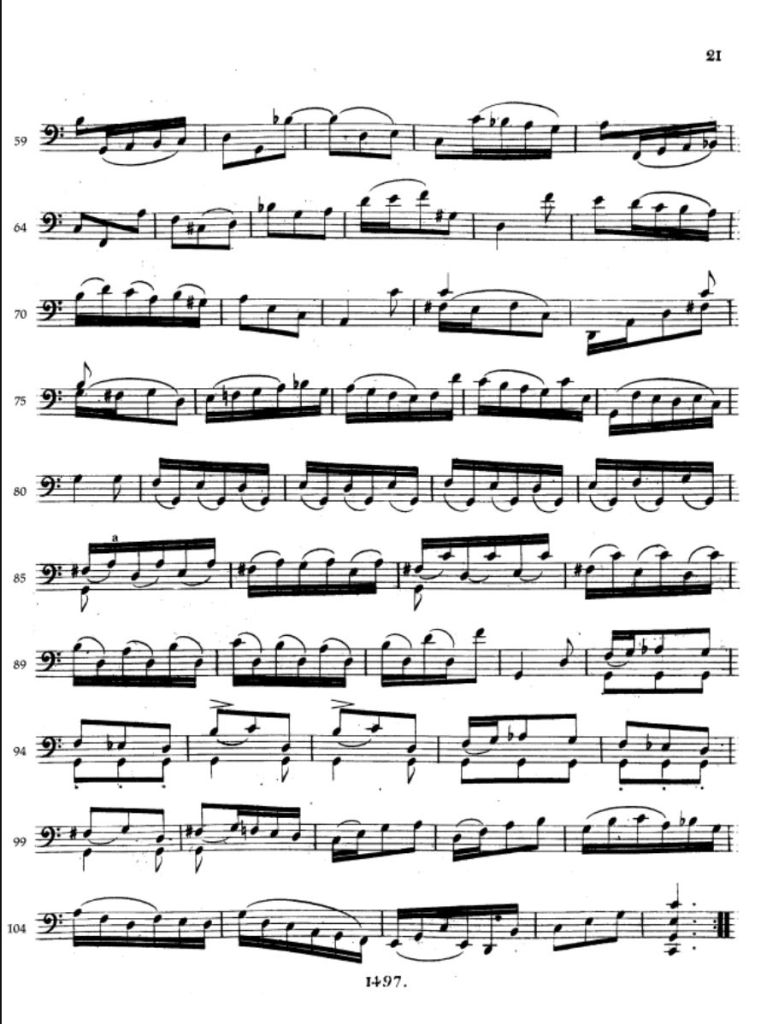
La melodia della giga è spesso caratterizzata da linee melodiche intricate e movimento ritmico vivace. Le scale, gli arpeggi e le figurazioni ornamentali sono comuni nelle parti melodiche, mentre il ritmo spesso presenta sincopi e altre figure ritmiche complesse che conferiscono alla musica un senso di vitalità e dinamismo.
Evolution and Importance:
Over the centuries, the gigue underwent a process of stylistic evolution, adapting to the dominant musical trends of the time. In the Baroque period, for example, the gigue became a highly popular musical form among composers, with famous examples of gigues found in the works of Johann Sebastian Bach, George Frideric Handel, and Arcangelo Corelli.
Evoluzione e Importanza:
Nel corso dei secoli, la giga ha subito un processo di evoluzione stilistica, adattandosi alle tendenze musicali dominanti del tempo. Nel periodo barocco, ad esempio, la giga divenne una forma musicale molto popolare tra i compositori, con esempi famosi di gighe che si trovano nelle opere di Johann Sebastian Bach, Georg Friedrich Händel e Arcangelo Corelli.
In addition to its importance as an autonomous musical form, the gigue also influenced other musical genres, including the Baroque suite and the sonata. Its liveliness and driving rhythm continue to captivate and inspire musicians and listeners to this day.
Oltre alla sua importanza come forma musicale autonoma, la giga ha influenzato anche altri generi musicali, tra cui la suite barocca e la sonata. La sua vivacità e il suo ritmo incalzante continuano ad affascinare e ispirare musicisti e ascoltatori fino ai giorni nostri.
In conclusion, the gigue represents an important chapter in the history of European music, from its humble folk origins to its transformation into a sophisticated and appreciated musical form. Its formal structure and lively character continue to make it a distinctive element of the Baroque musical repertoire and a source of inspiration for generations of musicians.
In conclusione, la giga rappresenta un importante capitolo nella storia della musica europea, dalle sue umili origini popolari alla sua trasformazione in una forma musicale sofisticata e apprezzata. La sua struttura formale e il suo carattere vivace continuano a renderla un elemento distintivo del repertorio musicale barocco e una fonte di ispirazione per generazioni di musicisti.
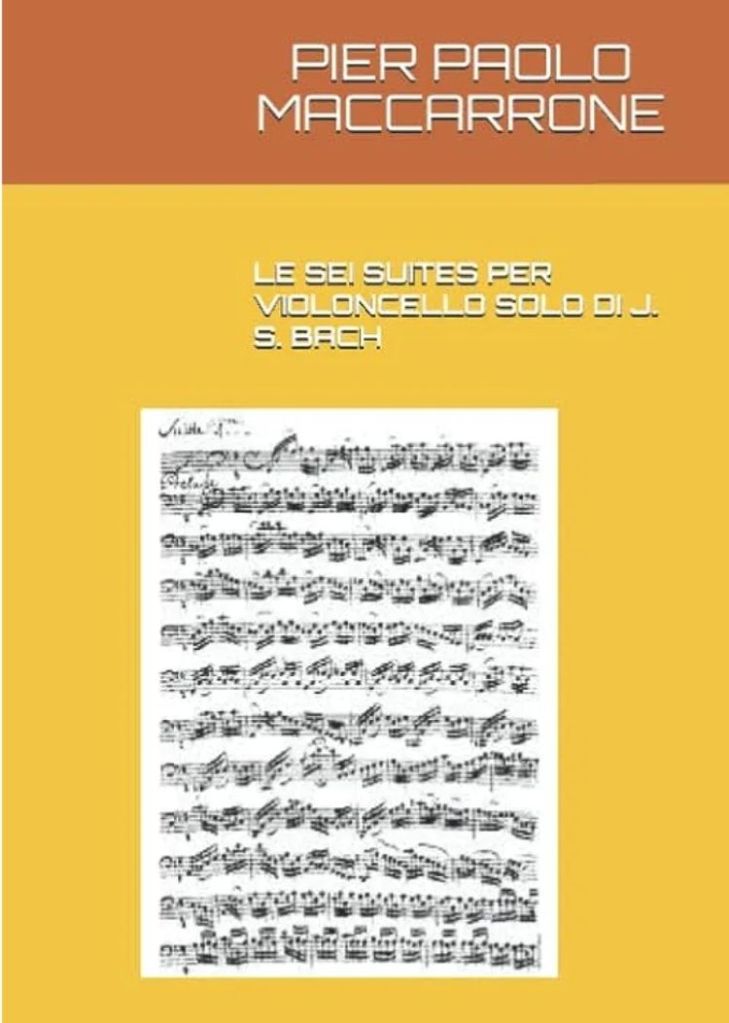
🛑ON AMAZON is available for sale my revision in different format and my book dedicated to Bach Cello Suites.
WITH HARD COVER SPECIAL EDITION
https://amzn.to/3f9675F
WITH HARD COVER YELLOW TITLE
https://amzn.to/3zhM6AY
WITH FLEXIBLE COVER
https://amzn.to/3CMXoyy
MY BOOK THAT TELL ABOUT HISTORY OF BACH CELLO SUITES
https://amzn.to/3N8uddz
🏫 C.M.I.S. Cello & Music International School
Scuola di Violoncello Suzuki di Catania Cello
PAGE ON FACEBOOK
@cellointernationalschool
📧 maccarronepierpaolo@gmail.com
cellomusicinternational@gmail.com
☎️+393494460646
 Pier Paolo Maccarrone